LGBTQ+ History Month
Salford’s vital role in queer history
Salford’s vital role in queer history
Did you know that Salford saw the first published use of the word ‘camp’? Or had its own, secret queer scene before the Gay Village existed?
This LGBTQ+ History Month we wanted to investigate the role our city had in shaping LGBTQ+ history – turns out, it was much bigger than we knew. From Victorian drag nights to banned media, Salford played a vital role in shaping much of the queer culture we know and love today.
We’ve highlighted some of the incredible milestones from Salford’s past to show the big impact our little city had in changing LGBTQ+ history.
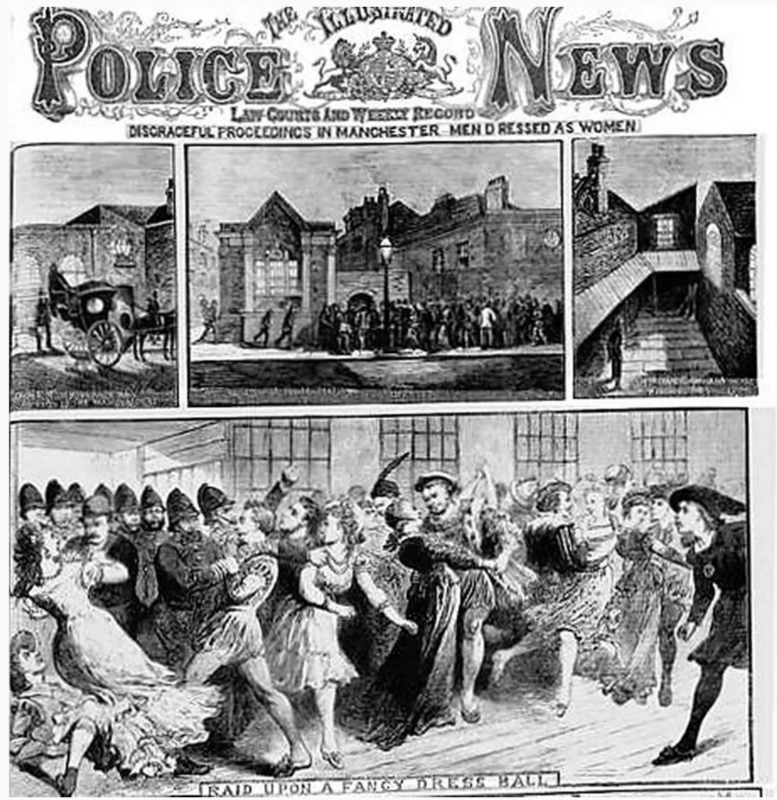
All the way back in 1874, a whole 86 years before RuPaul graced this earth, Salford was hosting its very own drag nights.
At the time, drag was still a criminal offence, but the Greengate night ‘Queen of Camp’ drew public attention after three men dressed in female attire were arrested in a taxi on their way to the event.
Reported on in the Manchester Evening News in October 1874, the Queen of Camp article is believed to be the first published mention of the term ‘camp’ in Britain.
Police reported between 30 and 40 people in attendance at the event on Sandywell Street, many of whom were male, dressed in female attire. However, under the Vagrancy Act of 1824, then used to target “rogues and vagabonds” (a definition that authorities extended to include public sightings of drag queens and homosexual men) three men were charged on their way to the event.
The court case became a spectacle, with hundreds in attendance at the hearing. In part due to cracking their own jokes in the trial, the arrested were met with laughter in the court room, leading the judge to not take the case particularly seriously. Fortunately for them, insufficient evidence was found to charge them, and having returned to their male attire they were released without a conviction.
With one of the men, Francis Mack, having been arrested three years prior for singing in drag – the event is unlikely to have been the first drag night to have taken place in Salford, but it’s certainly one of the most notorious.
Read the original news reports here.
In 1958, Shelagh Delaney’s Salford tale ‘A Taste of Honey’ brought queer stories to the forefront of British culture by becoming the first play to overcome the Lord Chamberlain’s veto on stage plays openly depicting gay characters, or discussing homosexuality.
The kitchen-sink drama featured gay textile design student Geoffrey Ingham, who moves in with pregnant teenager Jo after he’s evicted due to his sexuality.
Until 1968, the Lord Chamberlain was responsible for licensing and censoring plays. Despite the censorship, the Lord Chamberlain’s chief play-reader Charles Heriot judged: “It is concerned with the forbidden subject in a way that no one I believe could take exception to.” The Lord Chamberlain inclined to Heriot’s view, ultimately deciding to license the play.
In 1961, ‘A Taste of Honey’ was adapted into the now iconic film by director Tony Richardson. Despite its critical success, the film wasn’t without controversy, with subsequent bans in several countries at the time.
Star of the film Rita Tushingham later reflected that “a lot of the reaction was ‘People like that don’t exist’ – by which they meant homosexuals, single mothers and people in mixed-race relationships. But they did.“
Now a staple of British cinema and a landmark social-realist film – ‘A Taste of Honey’ is lauded for changing societal views on homosexuality due to the sympathetic portrayal of Geoffrey as a caring and responsible character who supports the teenage protagonist, Jo, marking a watershed moment for queer representation – as well as putting Salford in the spotlight.
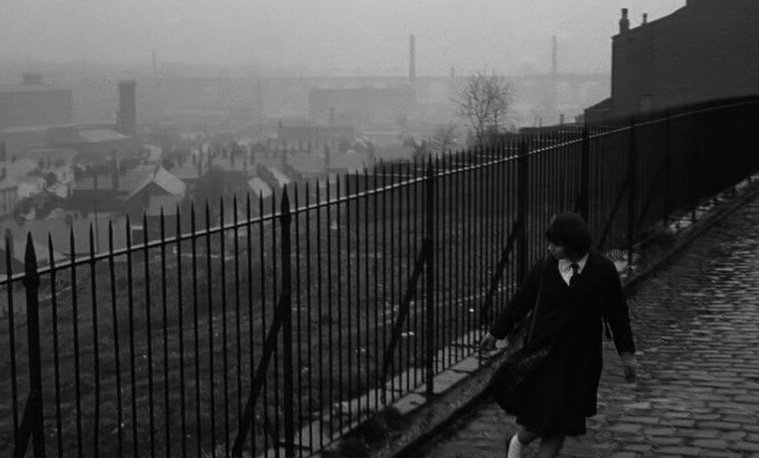 A still from the 1961 film ‘A Taste of Honey’.
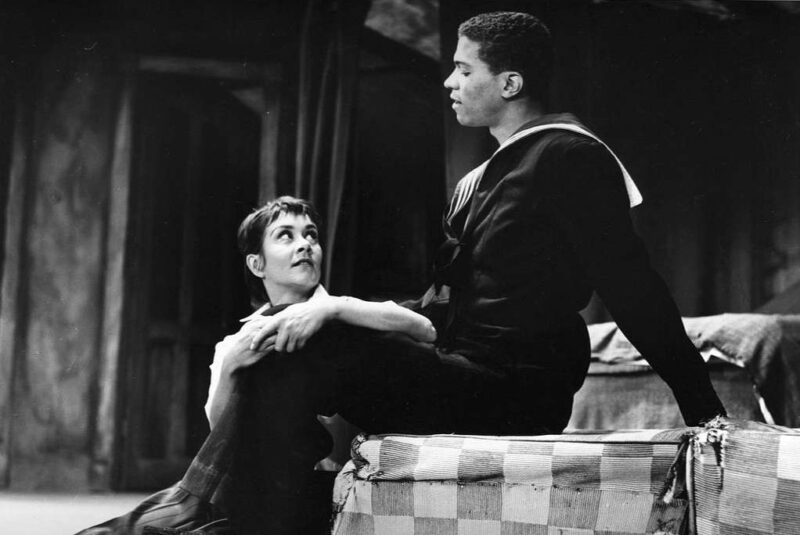 A photo of Joan Plowright as Jo and Billy Dee Williams from the 1960 Broadway production of ‘A Taste of Honey’.
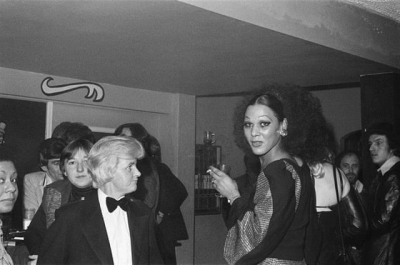 Photo: Dickens Club (1976) by Linda Sterling, part of the Queer Noise exhibition
In the 1970s, many queer social scenes existed in traditional pubs before Manchester’s more open Gay Village that we know today developed.
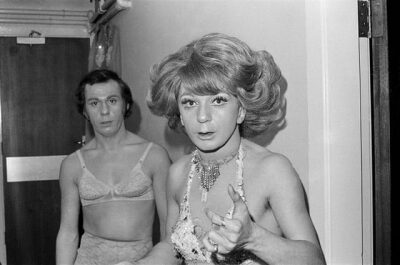
A number of Salford pubs were secretly hosting queer and drag nights, such as The Black Friar and Dickens Club, where owners inspected you through a hatch before you could gain entrance.
The scene was captured by photographer Linder Sterling in a number of incredible photographs, featured in the 2017 People’s History Museum exhibition ‘Queer Noise’.
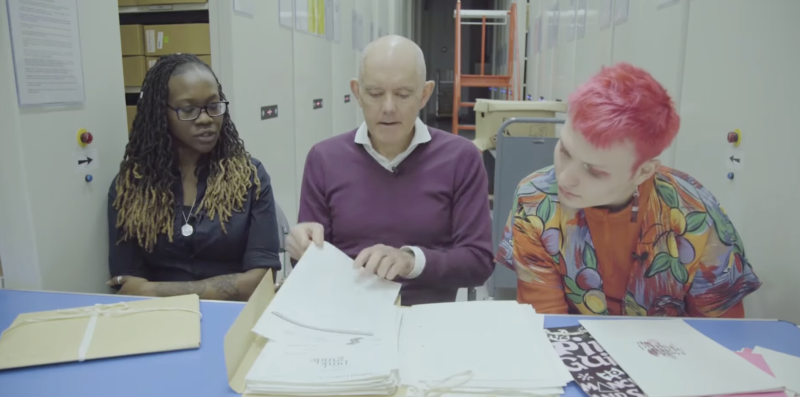
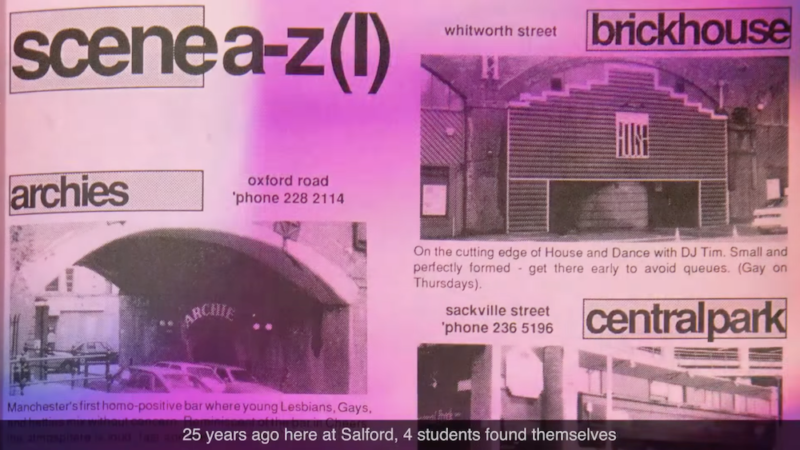
In 1994, students on the LGTBQ+ society at Salford University created a pamphlet on sexual health for the queer community with the deliberately ambiguous title, ‘The Pink Guide’. The purpose of the pamphlet was to educate the university community on the “existence, identity and social facilities for queer students” during Freshers Week.
Despite being invited (and not showing up) to feedback on the draft, the Student Union were quick to ban its publication, destroying the 200 copies they’d been given. In the midst of the HIV crisis – the students behind the publication defied authorities by disseminating it on campus anyway.
The LGBTQ society was subsequently frozen, with the students banned from the Student Union and escorted from the premises.
The irony was that the pamphlet’s controversy made it more sought-after than ever, with students sharing it widely amongst themselves. The union later reneged on their expulsion, realising they had no formal grounds for it, but upheld their ban on the guide.
The SU later offered a formal, public apology and awarded the students behind The Pink Guide with honorary life memberships.
The letters, meeting minutes, documents and Pink Guides themselves are all preserved in the Manchester Central Library Archives for the public to access, and the University of Salford Student Union released a fantastic documentary on the story, available to watch here.
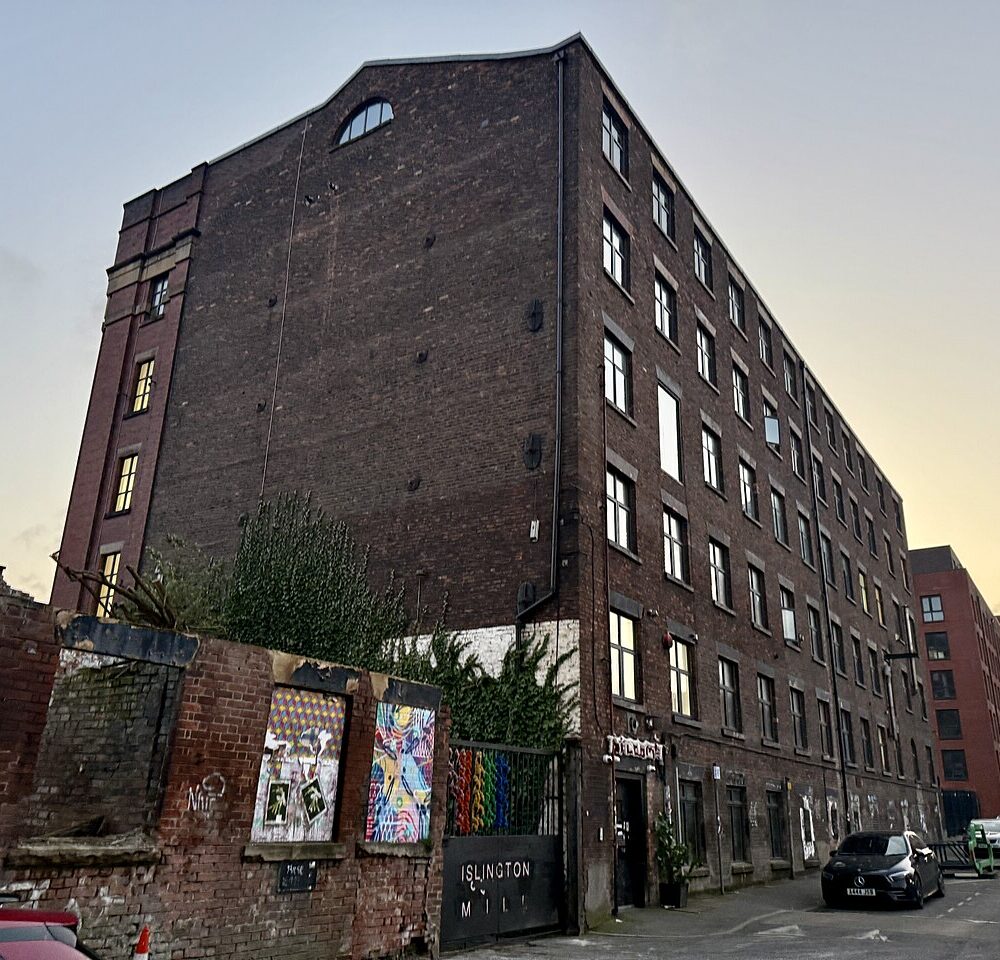
Art with Heart’s home, Islington Mill, has a long standing queer, DIY, creative community.
Originally built in 1823 by the self-taught Leeds-born architect David Bellhouse (who was also responsible for Manchester’s Portico Library and the original Manchester Town Hall on King Street), Islington Mill was later bought in 1996 by artist Bill Campbell after he hired a studio space in the partially-abandoned mill building.
Inviting other artists to join him, the community gradually grew into Islington Mill Arts Club, with artist studios spreading across several floors and adjacent engine houses.
In 2019, the charity Islington Mill Foundation was established to focus on developing, mentoring, training and nurturing artists in the building.
Today, Islington Mill hosts over 100 residents, with a commitment to exploration of self-organisation, responsibility, participation and freedom through a DIY ethos.
Find out more about Islington Mill here.
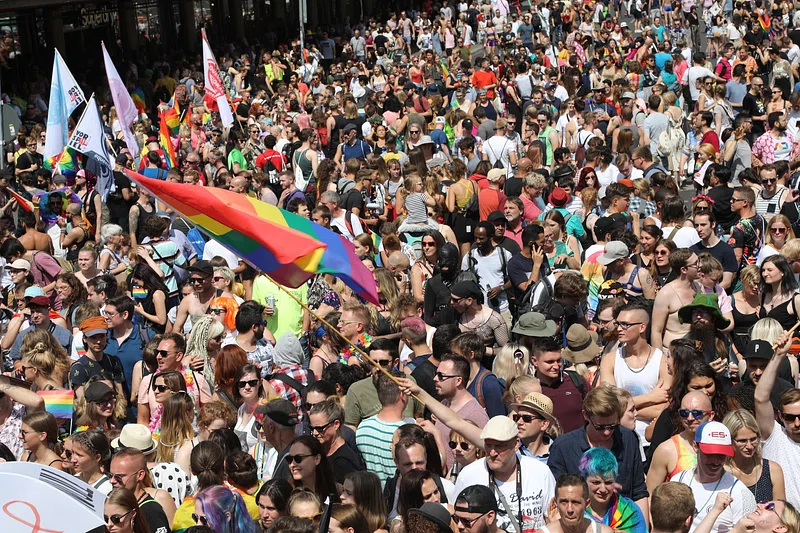
Now Greater Manchester’s biggest grassroots LGBTQ+ pride event – Salford Pride began in 2011 as the Peel Park Picnic, rebranding as The Pink Picnic in 2018, and eventually becoming Salford Pride in 2018.
In 2020, Salford Pride became a registered charity, and alongside The Pink Picnic celebration hosts alternative projects for the LGBTQ+ community throughout the year.
Previous line-ups have seen Drag Race stars and queer icons such as Atomic Kitten and Cher Lloyd join the event, and it has had a huge impact on Salford’s sense of community, with 47% of guests saying they were more likely to get involved with their local community after attending.
Salford Pride’s success shows the city’s queer spirit is alive and thriving – and we’re so proud to be a part of it.
This year’s Pink Picnic takes place 13th June 2026.
Find out more about Salford Pride here.
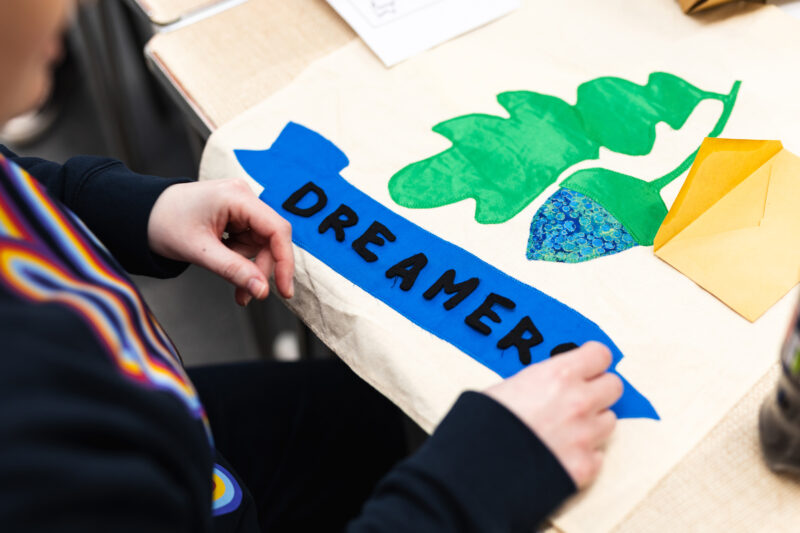
2026 marks 100 years since Salford was officially granted city status, and we’re on a mission to capture what it truly means to be from Salford, putting Salfordians firmly at the heart of the centenary celebrations.
Working with cracking community groups and some of Salford’s most adventurous artists, we’re creating a brand-new podcast, art exhibition and pop-up events that’ll showcase our city.
Exploring past, present and future, we want to take you on the journey of a brave, northern city that’s got a lot to say and loads to offer.
Find out more about Salford Voices here.
We are Art with Heart, and we want to bring together as many people as possible to unlock their creativity and connection to each other. As a registered charity (1205611), donations make it possible to deliver accessible, representative and inclusive projects, to engage more people, employ more freelancers and plan further into the future. Together, we are building Art with Heart, we would love you to join us! CLICK HERE to donate through our Ko-fi campaign.