Celebrating Salford’s Black History
To mark Black History Month, we wanted to share some of our city’s Black History, from pioneering sports players to the city’s role in abolition – there’s so much to discover this October.

To mark Black History Month, we wanted to share some of our city’s Black History, from pioneering sports players to the city’s role in abolition – there’s so much to discover this October.
Rugby player Jimmy Peters was the first Black man to represent England in rugby union when he made his international debut in 1906 against Scotland.
Jimmy’s story is one of both extreme hardships and inspiring triumphs – born in Salford in 1879, he was the first child of a black father and white mother, and his early years saw him moving around with a travelling zoo. Tragically, by 1886, Jimmy’ father George was killed by a lion while performing.
Jimmy was later abandoned after he broke his arm and was no longer able to perform in the circus. Left tied to a wagon, he was found by Lord and Lady Portman, who came from one of the richest British families in the late 1800s.
The Portmans sent him to Fegan’s Orphanage in London, where he first began to play sports. Later, after moving to Bristol for a job as a carpenter, he began playing rugby for the city’s club as a half-back (what we would now describe as a fly-half, or scrum-half).
His county success led to his England debut, but many have lamented that his rise would have come sooner had it not been for prejudice at the time – with the Western Times stating that “colour was the difficulty.”
Jimmy remained the only Black England men’s rugby union international, until Chris Oti played in 1988, and is rightly recognised as a pioneering English sportsman.

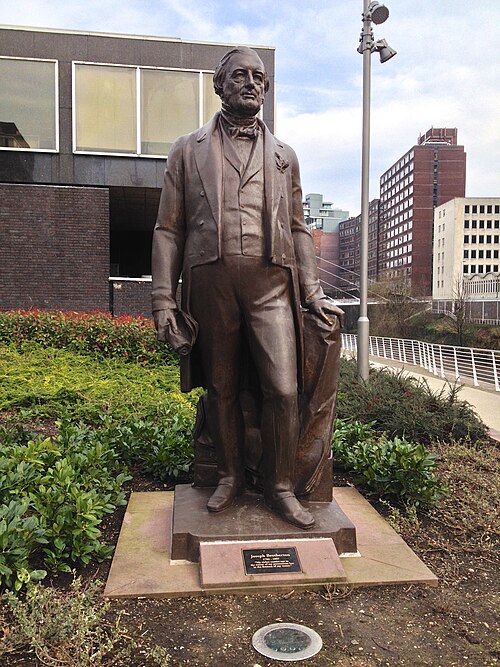
Salford has a strong history of anti-slavery and abolitionist movements since the late 18th century.
Salford’s first MP Joseph Brotherton, also known for being the first vegetarian of Parliament, was a passionate supporter and advocate of social reforms, campaigning against the death penalty, supporting the abolition of slavery, and advocating for free non-denominational education.
In the 19th Century, Greater Manchester had a number of anti-slavery organisations, including female-led ones such as the Ladies’ Anti-Slavery Society and Emancipation Society. In 1838, 28,386 women from Manchester and Salford signed a petition requesting the freedom for the ‘negro apprentices’, which was subsequently presented to Queen Victoria. 1838 is also the year that emancipation was finally achieved after the Slavery Abolition Act was brought in 1833, following five years of “apprenticeships” that continued slavery at many plantations.
The city also saw several anti-abolitionist speakers visit to campaign for the end of slavery, including Samuel Ringgold Ward, who delivered a sermon at Salford’s Hope Chapel, Sarah Parker Remond, who appealed directly to local mill and cotton workers, business owners, and civic leaders, highlighting Manchester and the
During the American Civil War of the 1860s, anti-slavery sentiment was so strong in Manchester, Salford and the textile towns of Lancashire that workers boycotted cotton produced by slave labour, leading to a period of hardship in the north west of England known as the ‘Lancashire cotton famine’, due to the region’s reliance on the supply of slave-grown cotton.
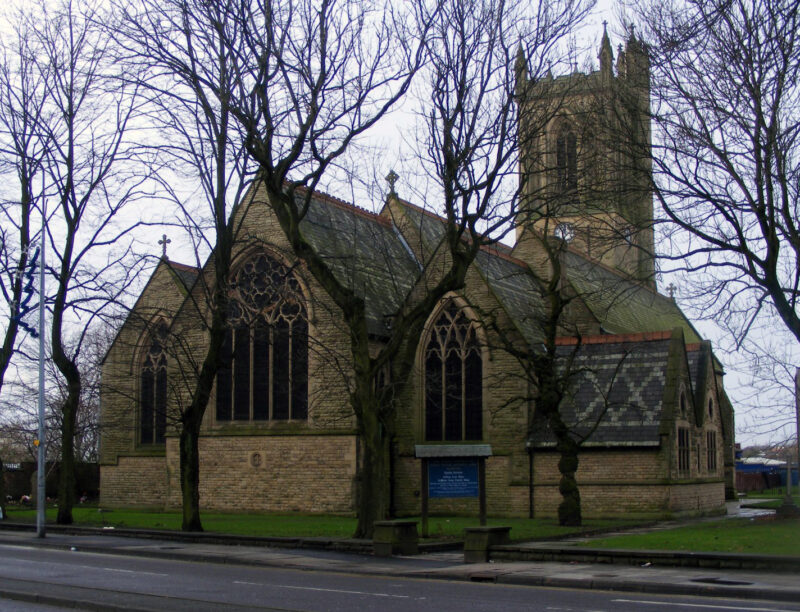
Swinton’s St Peter’s Church houses a rare historical artefact – a stained glass window featuring a depiction of a Black woman.
The woman is featured alongside Swinton “Founding Father” Noah Robinson, who as a Guardian on the Barton-upon-Irwell Board, played a critical role in improving the community at the time, including the establishment of clean water and drainage systems.
Robinson was a supporter of the anti-slavery Union during the American Civil War; with the identity of the Black woman unknown – it is thought her depiction may represent his abolitionist views.
In the early 20th Century, World War I ex-servicemen and sailors, many from Sierra Leone in west Africa and Somaliland in east Africa, had made a home in the areas of Greengate and Ordsall.
When the First World War finished, race riots erupted sporadically between 1919 and 1921, with tensions emerging from returning soldiers.
But there was also integration, with inter-marriage amongst working class people and the building of new, diverse communities.
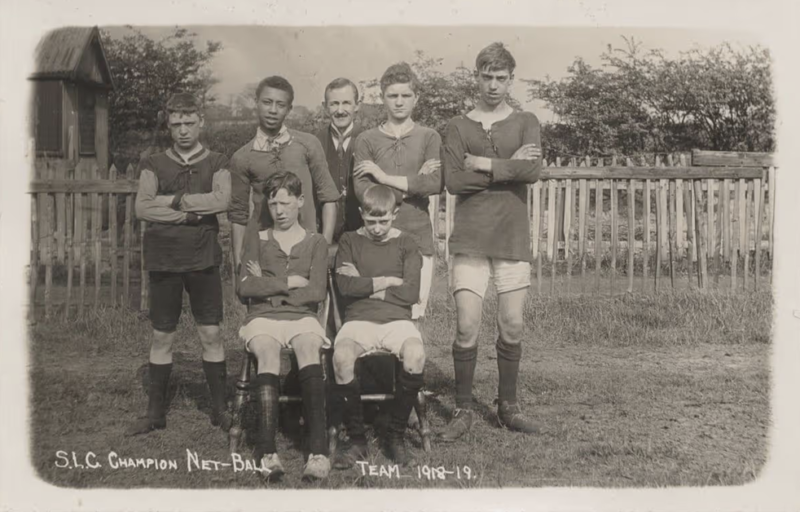
This archival photo from Salford Lads Club netball team in 1918 captures a Black teenager on the team, showing evidence of the Black youth presence in Salford in the early 19th Century.
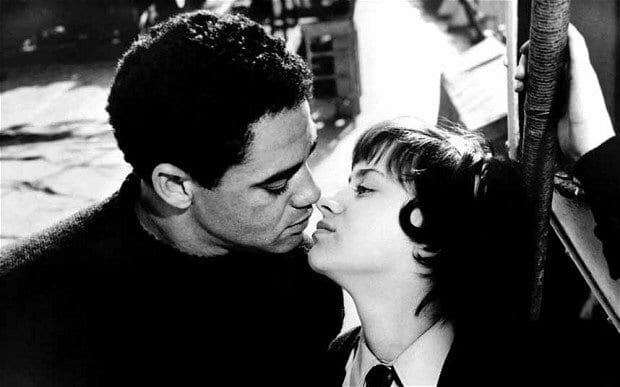
One of the earliest depictions of a Black Salfordian in British cinema and theatre was Shelagh Delaney’s Jimmy in kitchen-sink drama A Taste of Honey, a sailor from Cardiff who formerly trained as a nurse who has a romantic relationship with central character, teenager Jo.
Jo and Jimmy’s on-screen kiss is widely accepted as being the first interracial kiss in a feature film.
The character offered a complex reflection of racial prejudice in 1950s and 60s Britain; it both highlighted racial tensions at the time by showing the social prejudice against interracial relationships, yet the portrayal of Jimmie was in many ways a racial stereotype itself.
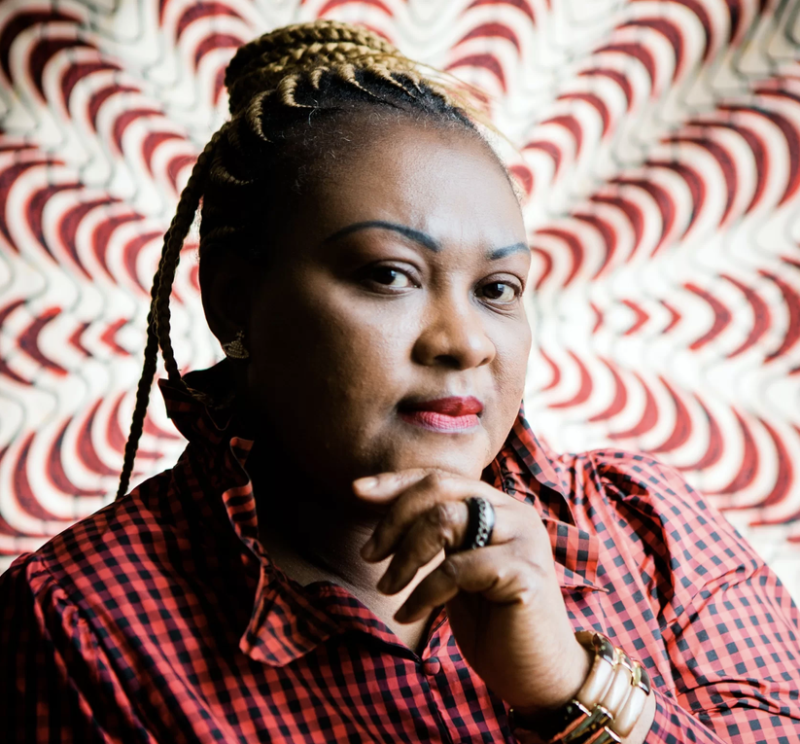
In 2026, an exhibition featuring portraits of staff and community members from Salford’s Black British, Black African, South Asian and mixed heritage communities that are working or have worked across the city’s public and voluntary sectors over the years, is now being displayed at Salford Civic Centre.
‘Still I Rise’ was inspired by Salford’s BAME Mental Health Champions, a group of volunteers that work in partnership with the council and NHS to strengthen connections between local communities and mental health services across the city.
The champions collaborated with Salford’s Equality Partnership to co-produce the exhibition with acclaimed photographer Allie Crewe, which aims to inspire and empower others through personal stories of achievement, resilience and service.
Get down to the exhibition to see and hear the stories of Salford’s incredible communities.
Find out more here.
Until 1 November 2026
Cephas Williams’ powerful photography exhibition documenting contemporary Black Britain is currently at Factory International, which explores the question: ‘What does it mean to be Black, living in the UK?’
The exhibition showcases profiles of a range of Black people living in the UK (including the incredible Keisha Thompson and mandla, two artists we’ve had the joy to work with) and aims to make more Black people visible, offering the next generation and wider society a holistic picture of the African diaspora in the UK and the 21st century.
Free to attend – find out more here.


As we come to the end of Black History Month, we wanted to shout out some incredible Black-led organisations doing great work in Salford today.
Warm Hut
Founded in 2009, Warm Hut are a refugee-led charity based in Salford, working across Greater Manchester. They offer advice, casework and advocacy on welfare, housing, health, education, employment and training, emotional wellbeing support and counselling, a safe haven with amenities, and much more.
African Rainbow Family
African Rainbow Family (ARF) is the leading UK-based expert-by-lived-experience grassroots charity campaigning and advocating for racial justice & human rights of LGBTIQ+ Refugees and people seeking asylum of African Heritage & the Global Majority.
They aim to increase health and wellbeing of LGBTIQ+ people seeking asylum and to eliminate discrimination on the grounds of sexual or gender identity.
Women with Wings
Based in Little Hulton, Women with Wings aim to empower women to thrive through training, employment, self-employment, and wellbeing support. Their Enterprise Centre is a safe, welcoming space where women can develop new skills, gain qualifications, and take steps toward starting their own business.
We are Art with Heart, and we want to bring together as many people as possible to unlock their creativity and connection to each other. As a registered charity (1205611), donations make it possible to deliver accessible, representative and inclusive projects, to engage more people, employ more freelancers and plan further into the future. Together, we are building Art with Heart, we would love you to join us! CLICK HERE to donate through our Ko-fi campaign.